

Date:3 July 2025
Inhalt Abschnitte
- ● A pill for every woman?
- ● From liberation to medical routine: the history and mechanism of the pill
- ● The hidden costs of hormonal contraceptives: a double-edged sword
- ● Silence: why are the risks being ignored?
- ● Rethinking reproductive health
By Chimnonso Onyekwelu and Meleni Aldridge
A pill for every woman?
In 1960, the first hormonal contraceptive, Enovid, was approved by the FDA in the United States, followed by the UK’s NHS in 1961. Hailed as a landmark in women’s health, what soon became known as the Pill, was celebrated for liberating women from unplanned pregnancies and, for the first time, allowing sex to be separated from procreation. Its success was so resounding that 10 years later, an estimated 28% of women worldwide were using some form of hormonal contraceptive. Today, its use remains nearly universal—with around 76% of women aged 16–49 in the UK and over 88% of women aged 15–44 in the US reporting current or prior use of contraception.
Yet behind the glowing promise of autonomy and convenience lies a growing body of concern. Numerous studies (here, here, and here) have linked hormonal contraceptives to a range of side effects- from relatively mild issues like mood swings and weight gain, to more serious risks such as blood clots, depression, and potential infertility. Despite these risks, the Pill continues to be widely prescribed not only for pregnancy prevention but for an ever-expanding list of non-contraceptive uses, including acne, menstrual disorders, hormonal imbalance and cancer risk reduction.
More troubling is that women who raise concerns about side effects are often dismissed or gaslit by healthcare providers. Meanwhile, access to hormonal contraceptives continues to expand—sometimes reaching girls barely into adolescence. This long-term suppression of fertility—often starting in adolescence—raises broader societal questions that are rarely addressed. Why are side effects underreported or ignored? Why is there so little support for safer alternatives? And why have we accepted a medical norm that leaves many women harmed?
From liberation to medical routine: the history and mechanism of the pill
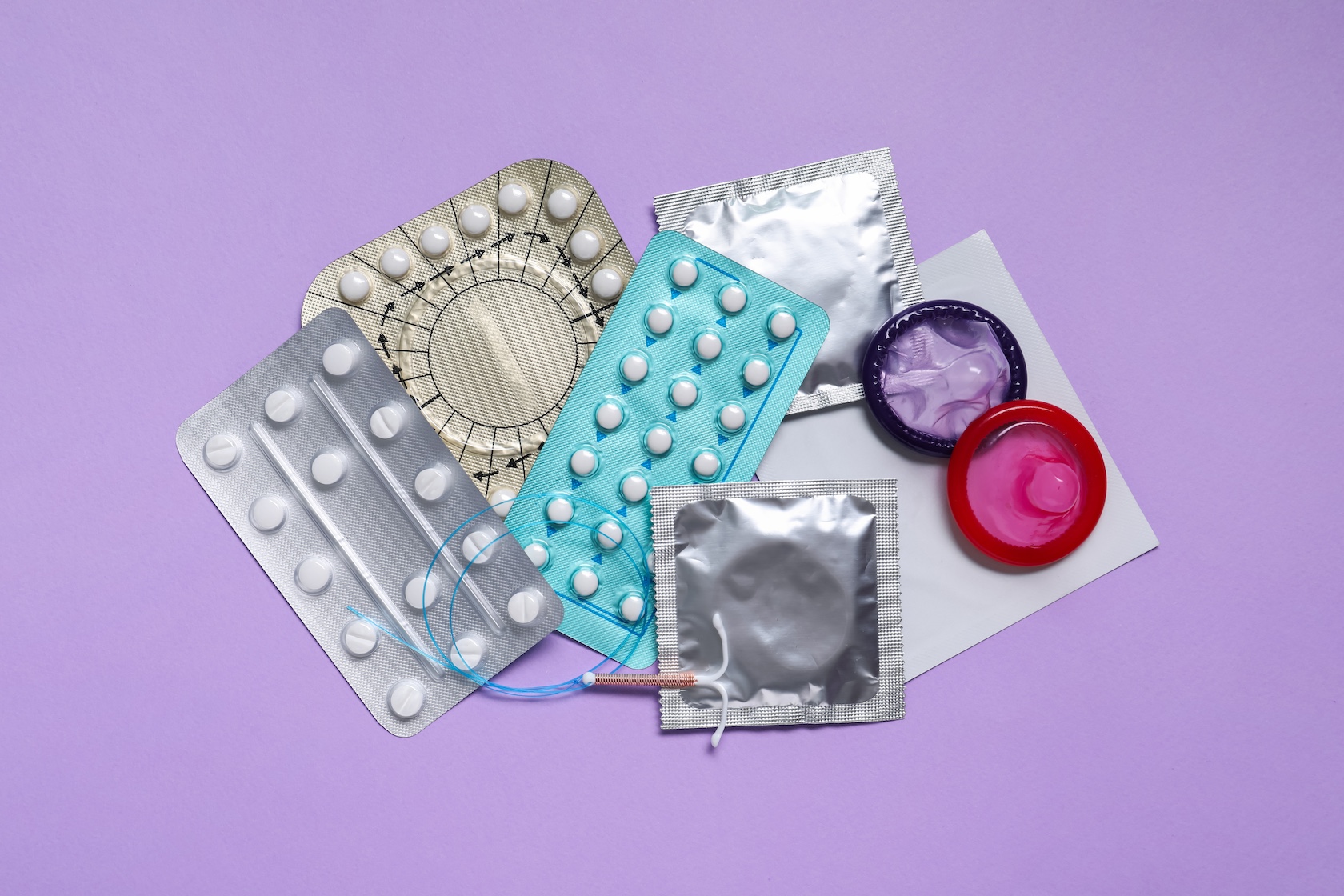
The birth control movement, led by activists like Margaret Sanger and Katharine McCormick, was rooted in the belief that women could not be fully emancipated without control over their reproductive choices. Their efforts culminated in the approval of Enovid in 1960, amid the rising tide of the women’s liberation movement. Since then, a variety of hormonal contraceptive methods have emerged—patches, injections, implants, vaginal rings, and intrauterine devices (IUDs). These advancements offered women the freedom to delay childbirth, pursue education, and enter the workforce on their own terms.
But while many women continue to benefit, few are fully informed about how these drugs work. Hormonal contraceptives prevent ovulation by disrupting the body’s natural hormonal cycle using synthetic progestogen alone or in combination with oestrogen. These hormones suppress the release of luteinising hormone (LH) and follicle-stimulating hormone (FSH), halting the development and release of an egg. This interference with the body’s finely tuned endocrine (hormonal) system helps explain why these contraceptives, though effective, carry a wide range of side effects.
The hidden costs of hormonal contraceptives: a double-edged sword
Hormonal contraceptives have undeniably transformed reproductive healthcare, granting millions of women control over if and when they become pregnant. Beyond contraception, studies show they may reduce the risk of endometrial, ovarian and colorectal cancer and, manage polycystic ovarian syndrome (PCOS), regulate menstrual disorders, and prevent conditions like ectopic pregnancy and pelvic inflammatory disease. These benefits, combined with convenience, have made them a cornerstone of modern women’s conventional health, yet still only a salve for symptoms, whilst the cause of the dysfunction or disease goes untreated and is left to become ever more chronic.
The Pill’s widespread use often obscures the complexity and severity of associated risks. While many women can tolerate them, side effects are common—and sometimes serious. Minor side effects include irregular bleeding, nausea, breast tenderness, and reduced menstrual flow. More concerning are established links to breast and cervical cancer. According to the National Cancer Institute, current users of oral contraceptives face a 24% increased risk of breast cancer, and long-term use is associated with up to a 60% higher risk of cervical cancer. Newer research from Oxford’s Cancer Epidemiology Unit also found that progestogen-only contraceptives carry a 20–30% increased breast cancer risk. Blood clots remain a significant risk, affecting 3 to 9 in every 10,000 users of the combined pill annually.
In May this year, a Turkish case-control study presented at the European Stroke Organisation conference found that women aged 18-49 using combined oral contraceptives had approximately three times the risk of cryptogenic ischemic stroke compared to non-users—even after adjusting for factors like smoking and hypertension. These findings add to a growing body of evidence linking hormonal contraception to vascular risk in women of reproductive age.
Equally troubling are the psychological and sexual side effects, often underreported. Multiple studies have associated hormonal contraceptive use with higher rates of depression, anxiety, and altered stress responses. A 2023 study revealed a 130% increased risk of depression in the first two years of use. Changes in libido are also common, with up to 15% users reporting reduced sexual desire, and others experiencing vaginal dryness or discomfort.
Regarding fertility, a study of 887 women aged 19–46 in 2015, compared women using the Pill with non-users. They found Pill users had significantly lower ovarian reserve markers—19% lower AMH, 18% fewer antral follicles, and 50% less ovarian volume, which affects a woman’s ability to fall pregnant after stopping the Pill.
All these effects, in our view, demand clearer communication, better individualised risk assessments, and a more open public discussion about alternatives.
Silence: why are the risks being ignored?
Despite mounting evidence of serious physical and psychological side effects, as well as the potential to impact fertility, hormonal contraceptives continue to be aggressively prescribed, and the risks barely communicated. Behind this silence is a pharmaceutical industry with a vested interest in maintaining market dominance. With billions at stake, drug companies invest heavily in marketing, positioning the pill not just as birth control, but also for acne, mood swings and ‘hormonal imbalances’, broadening their customer base while downplaying the risks. In 2023 alone, the hormonal contraceptive market was valued at over $18 billion USD and is projected to reach nearly $27 billion USD by 2032.
Clinics and doctors, too, play a role. According to Dr John Littell MD, many physicians are trained to see pregnancy, especially in young women, as something to be prevented. This mindset, embedded in medical education, promotes contraception as the default. In many cases, the benefit-risk model weighs the societal benefits of avoiding unplanned pregnancy more heavily than the personal costs to individual women. This trend is intensified by financial incentives. For example, a 2020 study found a 13.4% increase in hormonal prescriptions within four years of the UK’s 2009/2010 pay-for-performance scheme, which rewarded general practitioners for prescribing long-acting reversible contraception (LARC).
Behind clinical language lies a lived reality: women feeling silenced or coerced—not by law, but by a system that values compliance over autonomy, and pharmaceutical performance over personal wellbeing.

Rethinking reproductive health
Although hormonal contraceptives were once a feminist triumph, their descent into routine medical practice and widespread overuse has created complex medical, ethical, and societal problems. How can women be truly empowered when they are not fully informed of the risks and alternatives? What kind of autonomy exists when choices are presented as mandates rather than options? Real empowerment begins with informed choices—and that choice must be based on full understanding.
A genuine victory for women’s rights must therefore begin with comprehensive contraceptive education, starting from puberty and reinforced through healthcare provider counselling and community-based programmes. A meaningful approach to women’s health must, in our view, include comprehensive contraceptive education from puberty onward, supported by healthcare providers and community programs. Women deserve properly informed choice.
It also requires retraining doctors to embrace a broader range of reproductive options, free from outdated biases and financial incentives. Fertility Awareness Methods (FAM) and non-hormonal options like condoms, diaphragms, and copper IUDs offer viable alternatives without systemic side effects. We’d like to see an end to medical education pathologising female fertility, and policies instituted to tackle the commercial incentives that favour pharmaceutical solutions over informed consent.
As the West faces a growing fertility collapse, it’s time to ask whether the mass over-medicalisation of contraception—once a symbol of liberation—might now be undermining women’s health and our collective future? Moving forward, we all need to embrace a reproductive ethic that’s not rooted in control, but in care, knowledge, and genuine choice for women.
>>> Wenn Sie den wöchentlichen Newsletter von ANH International noch nicht abonniert haben, melden Sie sich jetzt kostenlos an, indem Sie die Schaltfläche ABONNIEREN oben auf dieser Seite benutzen. unsere Website - oder besser noch - Pfadfinder-Mitglied werden und treten Sie dem ANH-Intl-Stamm bei, um von den einzigartigen Vorteilen für unsere Mitglieder zu profitieren.
>> Sie dürfen gerne weiterveröffentlicht werden - folgen Sie einfach unserer Alliance for Natural Health International Richtlinien für die Wiederveröffentlichung
>>> Rückkehr zur Homepage von ANH International
