Date:20 November 2025
Inhalt Abschnitte
- ● A 6,000-year history meets 21st-century restrictionism
- ● The Endocannabinoid System: A master regulator we cannot ignore
- ● A thriving natural market — and predictable backlash
- ● The regulatory squeeze tightens: EU, UK and US
- ● The Bigger Picture: What’s Really Driving This Global Crackdown?
- ● The way forward: Defending access to natural cannabinoids
- ● It’s time to push back
- ● Mehr lesen
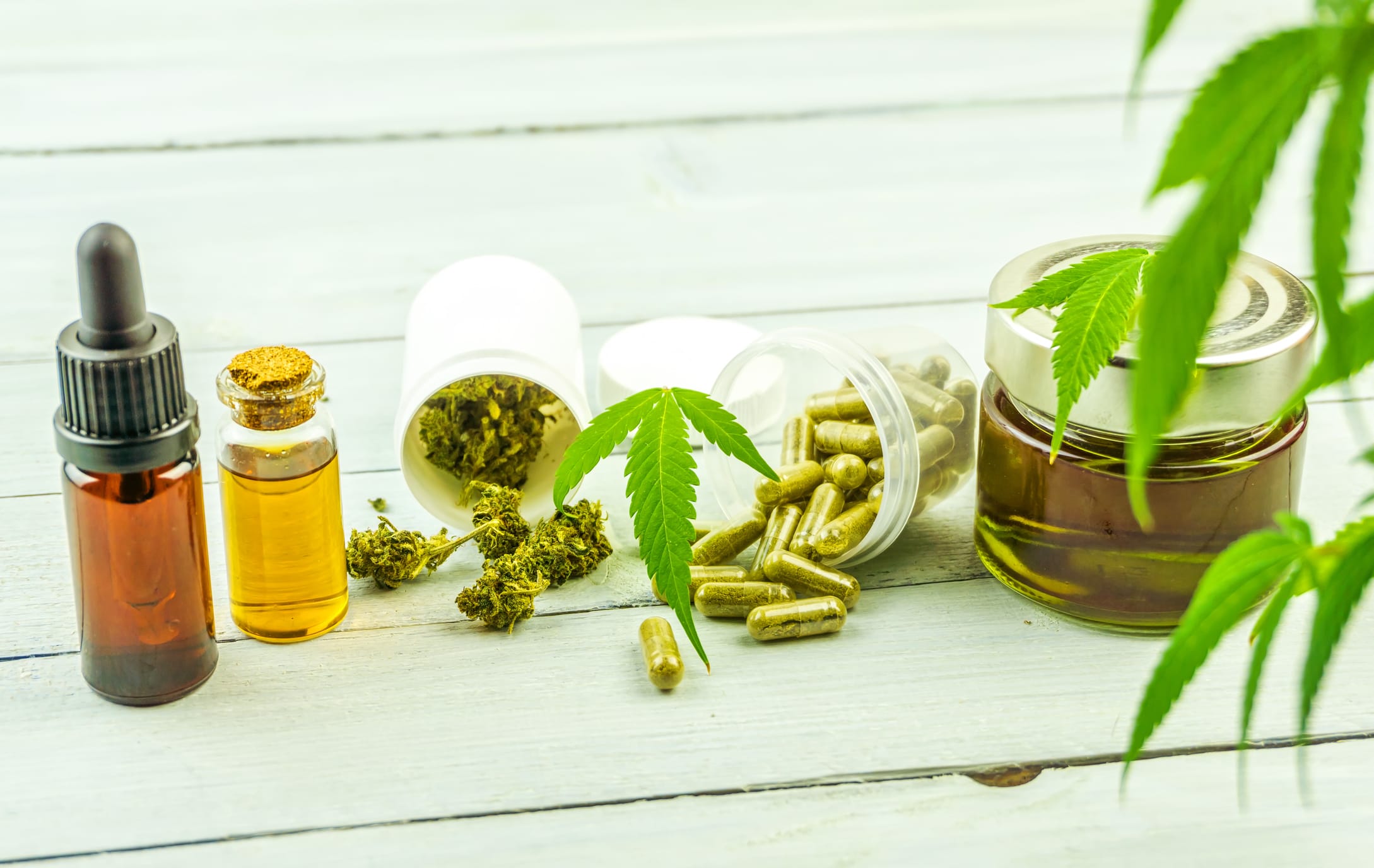
Do you or any of your loved ones rely on full spectrum CBD for your health? If so, read on, because regulators are caving to Big Pharma pressure to rid the market of therapeutic cannabinoid supplements and non-drug products using the illusion of psychoactive THC as their lever.
Across the EU, UK and USA, regulators are escalating their clampdown on cannabidiol (CBD). Daily limits are being reduced. THC levels are being slashed. Entire product categories are being pushed toward pharmaceutical-style controls. And once again, the law is being used as a blunt instrument—not to protect consumers, but to shape markets.
For millions who rely on CBD supplements for pain, anxiety, inflammation, neurological support, and general wellbeing, the stakes could not be higher. What we’re witnessing is not a reasoned, science-led process, but a familiar pattern: regulatory overreach that threatens safe, natural compounds precisely because they work—and because they compete directly with drugs.
A 6,000-year history meets 21st-century restrictionism
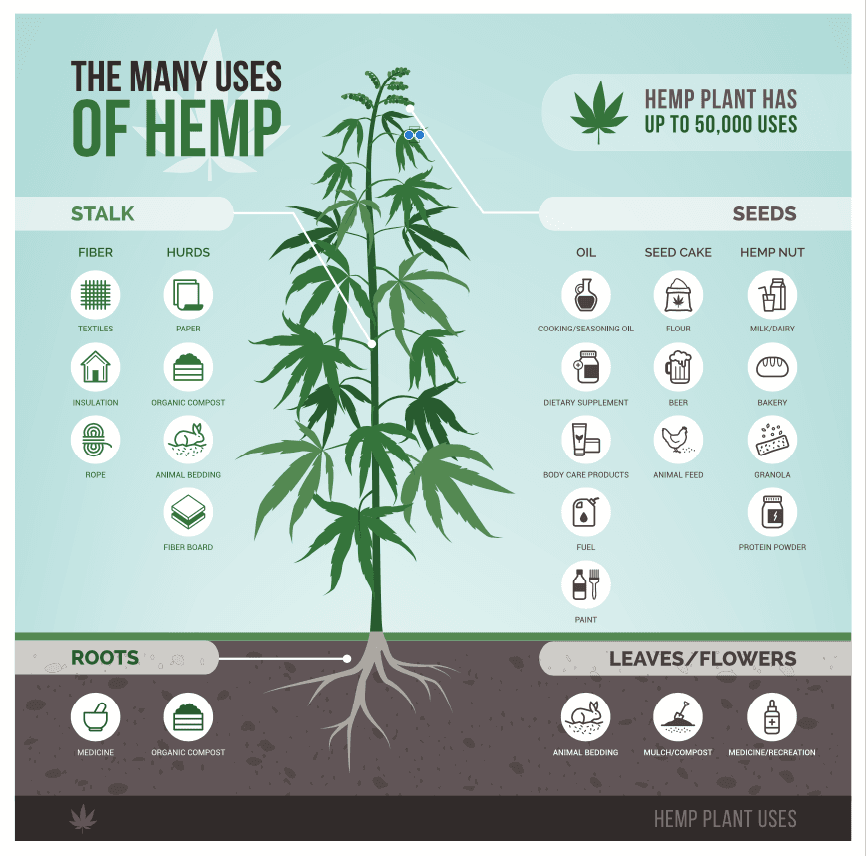
The hemp plant (including a wide variety of Cannabis sativa cultivars) has supported human health for millennia. Ancient Chinese medical texts from as early as 2900 BC describe hemp as balancing yin and yang. The plant features in Ayurvedic, Egyptian, Greek and Middle Eastern traditions as a staple of natural medicine.
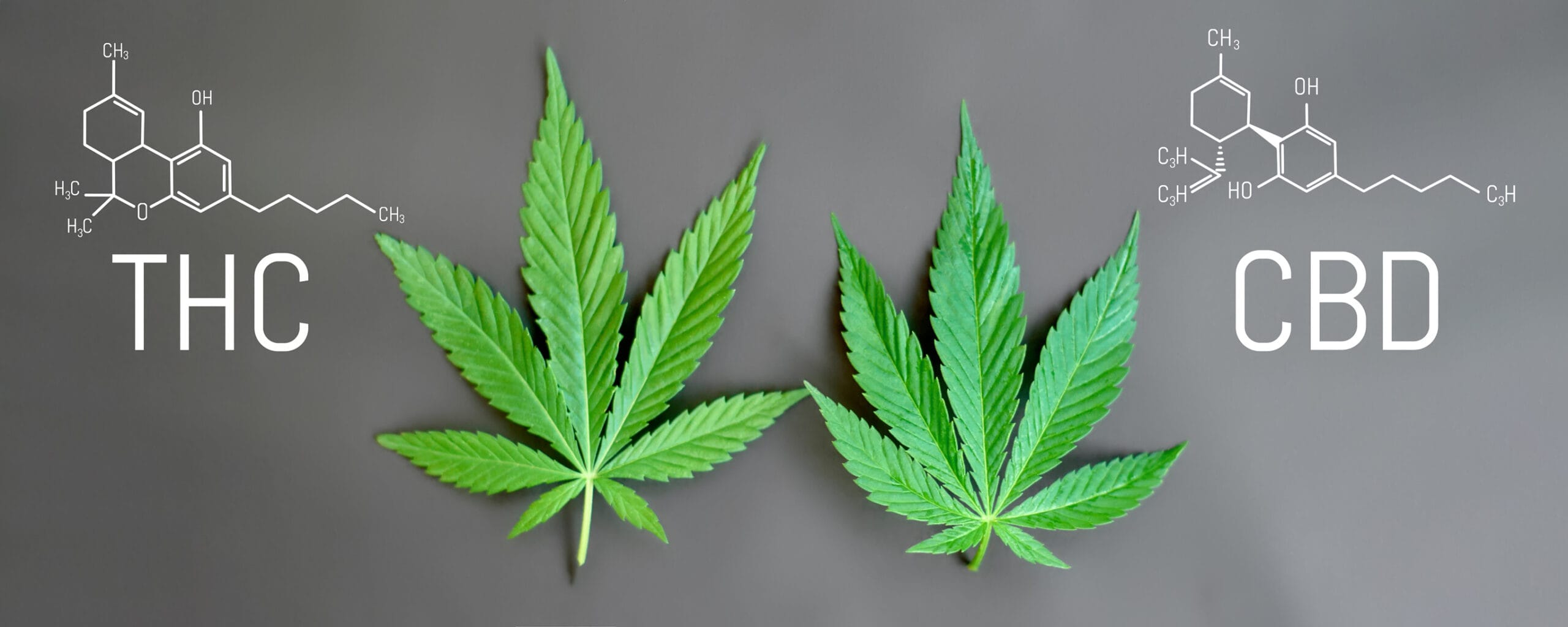
By the 1840s, Western physicians widely prescribed hemp extracts. But prohibitionist politics in the 20th century — sparked largely by US anti-cannabis propaganda driven by Harry Anslinger — erased hemp from the pharmacopeia and inculcated generations of fear. Based on the fact that some hemp varieties contain significant amounts of psychoactive THC (tetrahydrocannabinol).
Yet despite prohibition, scientific research continued—and accelerated. The discovery of the endocannabinoid system (ECS) in the 1980s revealed that humans are biologically primed for cannabinoids. It also revealed that cannabinoid deficiency, particularly of anandamide, is associated with migraines, fibromyalgia and irritable bowel syndrome—conditions often difficult to treat with pharmaceuticals but responsive to cannabinoids.
The Endocannabinoid System: A master regulator we cannot ignore
The human body is wired with cannabinoid receptors and hemp contains over 120 cannabinoids, most non-psychoactive, all contributing to the plant’s balancing effects. Full-spectrum hemp works because these compounds interact synergistically— a process referred to as the entourage effect.
The endocannabinoid system (ECS) is arguably the most pervasive signalling network in the human body. Its receptors, enzymes and internally-produced (endogenous) cannabinoids (like anandamide and 2-AG) regulate:
- mood
- inflammation
- Immunität
- appetite and metabolism
- neuroprotection and brain signalling
- pain perception
- sleep cycles
CB1 receptors dominate in the brain and central nervous system; CB2 receptors are found throughout the immune system and peripheral tissues. Plant cannabinoids like CBD and cannabigerol (CBG) engage these receptors and modulate physiological balance naturally.
Neuroscientists have shown how cannabinoids protect neurons from calcium overload and excitotoxicity — mechanisms central to epilepsy, dementia and brain injury.
Given this powerful biological relationship, it is no surprise that full-spectrum CBD products, which support an optimally functioning ECS, have become an essential part of daily life for millions.
A thriving natural market — and predictable backlash
CBD’s rapid growth over the last decade has been extraordinary. Following the 2018 US Farm Bill and ongoing liberalisation globally, the CBD sector expanded into a multi-billion-dollar market.
For consumers, CBD offered:
- a safe, non-addictive alternative to opioids
- relief from chronic pain, anxiety and insomnia
- an anti-inflammatory and neuroprotective tool
- a natural way to modulate stress and resilience
But this success has triggered a predictable reaction. CBD—especially full-spectrum hemp extracts—threaten pharmaceutical markets worth billions. A 2017 study found medical cannabis already costs Big Pharma hundreds of millions annually, a figure slated to rise sharply.
As the natural cannabinoid market grows, so too does regulatory pressure.
The regulatory squeeze tightens: EU, UK and US
United Kingdom: Daily limits slashed and THC levels driven toward zero
The UK’s Food Standards Agency (FSA) has taken one of the harshest regulatory stances in Europe. Its revised guidance slashes acceptable daily intake of CBD from 70 mg/day to just 10 mg/day—a level we and other experts consider clinically irrelevant and both scientifically and legally unjustified.
At the same time, the FSA now endorses THC exposures so low they are practically incompatible with full-spectrum extracts. With a 1 mg THC limit per container and new ultra-low daily exposure thresholds, resulting in full-spectrum products being forced off the market or reformulated into isolates. Use of an isolate, by definition, prevents consumers from benefiting from the entourage effect.
The result is a de facto prohibition of meaningful cannabinoid diversity—the very diversity responsible for CBD’s well-documented synergy.
European Union: Novel foods and contaminant rules undercutting full-spectrum CBD
The EU’s Novel Foods regime continues to serve as a barrier to natural cannabinoid products. By classifying CBD extracts as “novel,” regulators have pushed companies into costly, multi-year authorisation pathways, while allowing only hemp seed oil to escape scrutiny. To complicate matters individual countries have their own laws and regulations related to CBD.
Meanwhile, THC limits under contaminant regulations remain so low that many full-spectrum extracts cannot realistically comply. Once again, trace THC — at levels with no psychoactive risk — is treated as a controlled substance, undermining product efficacy while offering no measurable public health benefit.
United States: A devastating blow to natural health freedom
In the United States, the regulatory battle over CBD has taken a dramatic and deeply troubling turn. In an extraordinary act of legislative stealth, Congress inserted—and President Trump has now signed into law—a provision buried within the bill that re-opened the federal government that could wipe out nearly all full-spectrum CBD and hemp products overnight.
The new measure imposes an absurdly low cap of 0.4 mg total THC per package in any hemp product. This is more than six times lower than the lowest dose (2.5 mg) known to create any psychoactive effect even in highly sensitive adults.
This threshold has no scientific or public health foundation. It is not a safety measure—it’s a prohibition designed to protect a much bigger industry: Big Pharma.
If implemented, it will instantly make most CBD supplements and whole-plant hemp extracts federally illegal, criminalising millions of responsible consumers.
Proponents claim the measure is needed to curb intoxicating synthetic cannabinoids like delta-8 THC. But instead of targeting synthetics, Congress has criminalised the natural hemp products used by patients, seniors, athletes, veterans, and everyday Americans seeking pain relief, stress support, and better sleep.
By stripping THC to nearly zero, Congress has effectively mandated that all hemp products become isolates, destroying that synergy entirely.
The Bigger Picture: What’s Really Driving This Global Crackdown?
Patterns are emerging:
- Regulators are favouring isolates over full-spectrum extracts
- Pharmaceutical pathways are being privileged
- Synthetic cannabinoids—including those produced using engineered microbes—stand to benefit
- Natural health access is being steadily eroded.
This is not about consumer safety. CBD and other non-psychoactive cannabinoid products have an exceptional safety profile, unparalleled compared to common OTC painkillers, antidepressants or anti-inflammatories.
This is about control, market capture, and the suppression of effective natural compounds.
The way forward: Defending access to natural cannabinoids
We must advocate for a regulatory framework that:
- protects access to full-spectrum hemp
- recognises the scientific validity of the ECS and the entourage effect
- rejects ultra-low THC limits that undermine efficacy
- prevents the monopolisation of cannabinoids by pharmaceutical interests
- ensures consumers and good science—not corporations and manipulated science—shape the natural health landscape.
CBD is not dangerous. It is not novel. It is not a threat to public health. It is a natural compound humans have used safely for millennia. More than that, it’s a compound our bodies recognise, utilise and benefit from.
What is actually dangerous is allowing regulators and lawmakers to turn back the clock on natural medicine.
It’s time to push back
The regulatory onslaught across the EU, UK and US threatens to dismantle access to safe, effective full-spectrum CBD and other cannabinoids. If we allow THC limits to be pushed toward zero, novel (or new dietary ingredient) food rules to be misapplied, and government overreach to stand unchallenged, we risk losing one of the most important natural health tools of our time.
But together—informed, organised and vocal—we can defend our right to health sovereignty.
The coming year will be decisive, either way.
Our future access to natural cannabinoids depends on what we do now and in the coming months. Firstly, let’s help more people become educated about what’s at risk. Please share this article widely. Thank you.
Mehr lesen
- The bill that could end CBD access
- Einen Weg für CBD und andere Cannabinoide ebnen
- Will novel food law prevent consumer access to CBD in the UK or Europe
- Is safety the new gremlin for CBD regulation
- Time to stop knee capping of EU CBD market
- CBD re-enters troubled waters
- Does Cannabis have its place in medicine?
>>> Wenn Sie den wöchentlichen Newsletter von ANH International noch nicht abonniert haben, melden Sie sich jetzt kostenlos an, indem Sie die Schaltfläche ABONNIEREN oben auf dieser Seite benutzen. unsere Website - oder besser noch - Pfadfinder-Mitglied werden und treten Sie dem ANH-Intl-Stamm bei, um von den einzigartigen Vorteilen für unsere Mitglieder zu profitieren.
>> Sie dürfen gerne weiterveröffentlicht werden - folgen Sie einfach unserer Alliance for Natural Health International Richtlinien für die Wiederveröffentlichung
>>> Rückkehr zur Homepage von ANH International
