
Date:18 September 2025
Sections du contenu
- ● Omnipresent and inescapable
- ● A catalogue of harm
- ● Industry’s long cover-up
- ● Regulators: asleep at the wheel
- ● Why ban PFAS as a class?
- ● The cost of inaction
- ● What needs to happen now
- ● A call to consciousness
We are living in an age of chemical saturation. Every day, our bodies are bombarded with synthetic compounds that our inherent, natural, detoxification systems were never designed to process. Over eons of evolution, our biotransformation pathways were primed to neutralise toxins created by our own metabolism or consumed through pre-industrial diets. But the post-WWII industrial revolution changed everything.
By 2020, the world’s first global inventory of chemicals listed 350,000 registered chemicals and mixtures in commercial production. It’s a staggering figure—and one that overwhelms both the environment and the human body. But among this ocean of man-made substances, one group stands apart for its persistence, pervasiveness, and toxicity: PFAS, poly- and perfluoroalkyl substances, often dubbed ‘forever chemicals’.
Omnipresent and inescapable
PFAS aren’t a handful of rogue compounds; they are a chemical empire unto themselves, numbering over 12,000 substances. What unites them is the almost unbreakable carbon-fluorine bond—one of the strongest found in chemistry. It’s this strength that makes PFAS useful for industry: resistant to heat, oil, grease, stains, and water. But it’s also what makes them essentially indestructible in nature; and in our bodies.
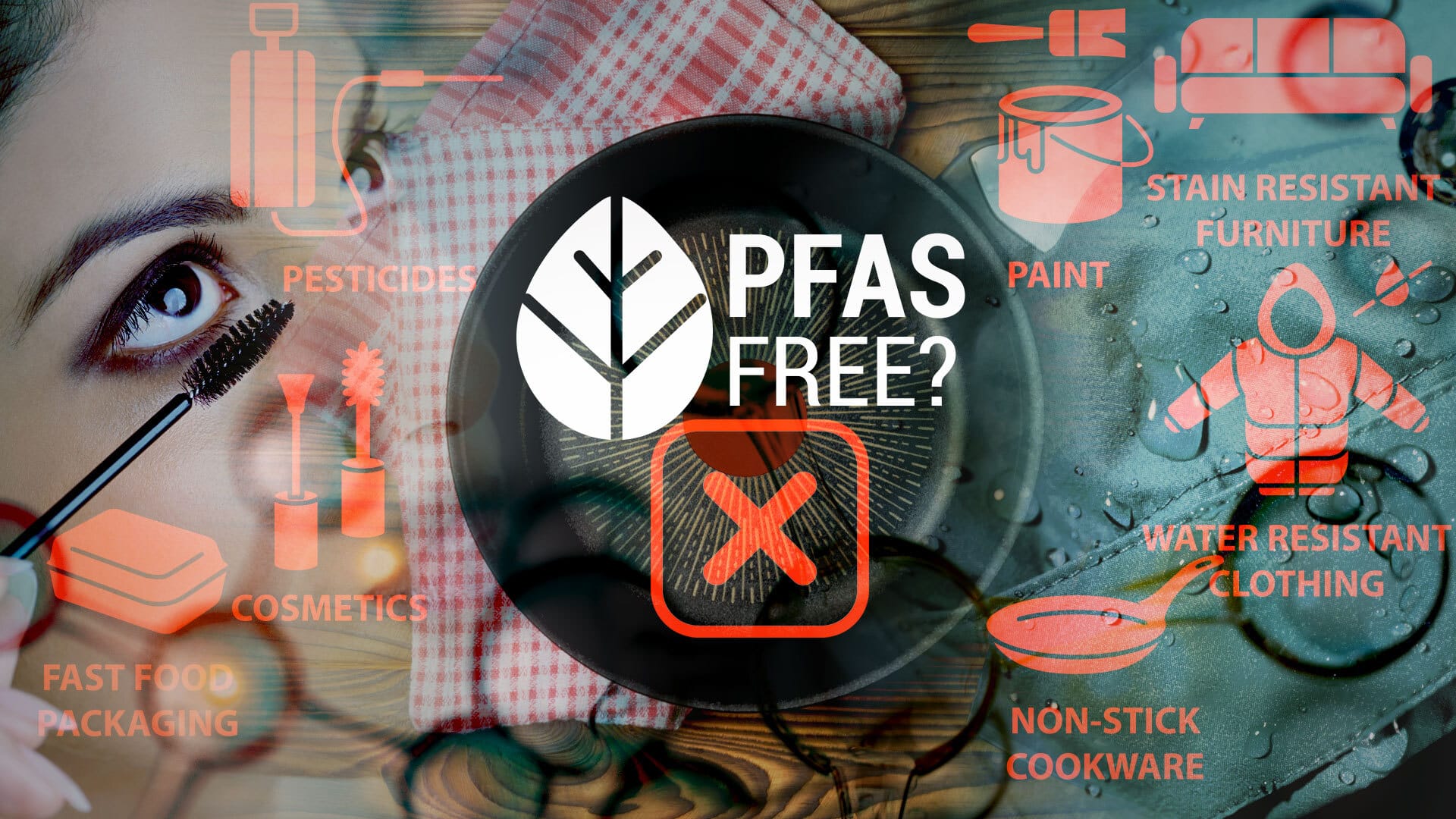
Their uses span almost every industrial sector. The US Environmental Protection Agency (EPA) lists applications as diverse as:
- firefighting foams
- chrome plating and electronics
- stain- and water-resistant fabrics
- grease-proof food packaging
- cosmetics and dental floss
- even fertilisers derived from wastewater sludge spread on agricultural land.
This ubiquity ensures exposure is constant and unavoidable. PFAS are not just in our kitchens and wardrobes; they are in our blood, tissues, and organs. Unlike older persistent organic pollutants (POPs) that lodged mainly in fat, PFAS bind to proteins and accumulate in the lungs, liver, kidneys, bones, muscles, and brain. The latest US surveys suggest that nearly every American carries significant PFAS burdens, and Europeans, Asians, and others are not far behind.
A catalogue of harm
The health risks associated with PFAS are mounting. Studies have linked exposure to:
- cancers of the kidney and testicles
- thyroid disease
- liver dysfunction
- immune system suppression
- pregnancy complications
- developmental harms to foetuses and children.
Even the US Environmental Protection Agency (EPA) concedes that, “negative health effects may occur with concentrations of PFOA [perfluorooctanoic acid] or PFOS [perfluorooctane sulfonate] in water that are near zero and below [our] ability to detect.” In other words, there is no safe level of exposure.
Recent peer-reviewed research adds to the list. A 2025 Chinese study linked PFAS in blood to recurrent miscarriages. Women with multiple unexplained pregnancy losses had significantly higher PFAS levels, underscoring the chemicals’ role in reproductive toxicity.
And yet, regulators continue to drag their feet.
Industry’s long cover-up
The story of PFAS is not just one of chemical persistence—it’s one of corporate deceit. Much like Big Tobacco before it, PFAS manufacturers knew decades ago about the dangers, yet concealed the evidence.
Internal documents from DuPont and 3M, unearthed in recent lawsuits, reveal a shocking trail of cover-ups:
- 1961: DuPont’s chief toxicologist warned Teflon® induced liver enlargement in rats, advising “extreme care.”
- 1970s: DuPont’s Haskell Laboratory confirmed PFOA’s high toxicity. Dogs exposed to a single dose died within two days.
- 1980: Company doctors noted birth defects in two of eight children born to women working with PFOA. Yet DuPont insisted “no evidence” existed linking C-8 (DuPont’s own code for its PFOA chemical) to defects.
This deceit persisted until the late 1990s, when West Virginia farmer Wilbur Tennant sounded the alarm after his cattle began dying near a DuPont facility. His courage and persistence triggered a class-action litigation that exposed PFAS contamination in 70,000 residents’ drinking water and ultimately linked PFAS exposure to six serious diseases.
Regulators: asleep at the wheel
Despite overwhelming evidence, US regulators have largely opted for piecemeal action. The EPA has proposed near-zero drinking water limits for six PFAS, claiming the rule could “prevent thousands of deaths.” Yet, there is still no comprehensive federal ban. Instead, companies quietly substitute restricted PFAS with unregulated cousins that are equally persistent, equally toxic, and equally unstudied.
Contrast this with Europe. In February 2023, the European Chemicals Agency (ECHA) published a landmark proposal from Denmark, Germany, the Netherlands, Norway, and Sweden to ban all 10,000+ PFAS compounds as a class. After a massive consultation process involving 5,600 comments, ECHA expanded the scope in 2025 to cover even more sectors: printing, machinery, textiles, military, explosives, and medical packaging.
This bold step recognises what American regulators have failed to: banning one or two PFAS while leaving thousands untouched is a dangerous game of chemical whack-a-mole.
Why ban PFAS as a class?
Industry lobbyists often argue that only a few PFAS are dangerous and that others can be managed safely. But this is one big chemical industry smoke and mirror production. All PFAS share the same forever bond. All persist. All bioaccumulate. And all come with unknown long-term risks.
The only sensible response is a blanket ban with no room for regulatory loopholes that industry can exploit. Otherwise, we merely replace ‘legacy’ PFAS like PFOA and PFOS with next-generation substitutes that pose equal, if not greater, risks.
The cost of inaction
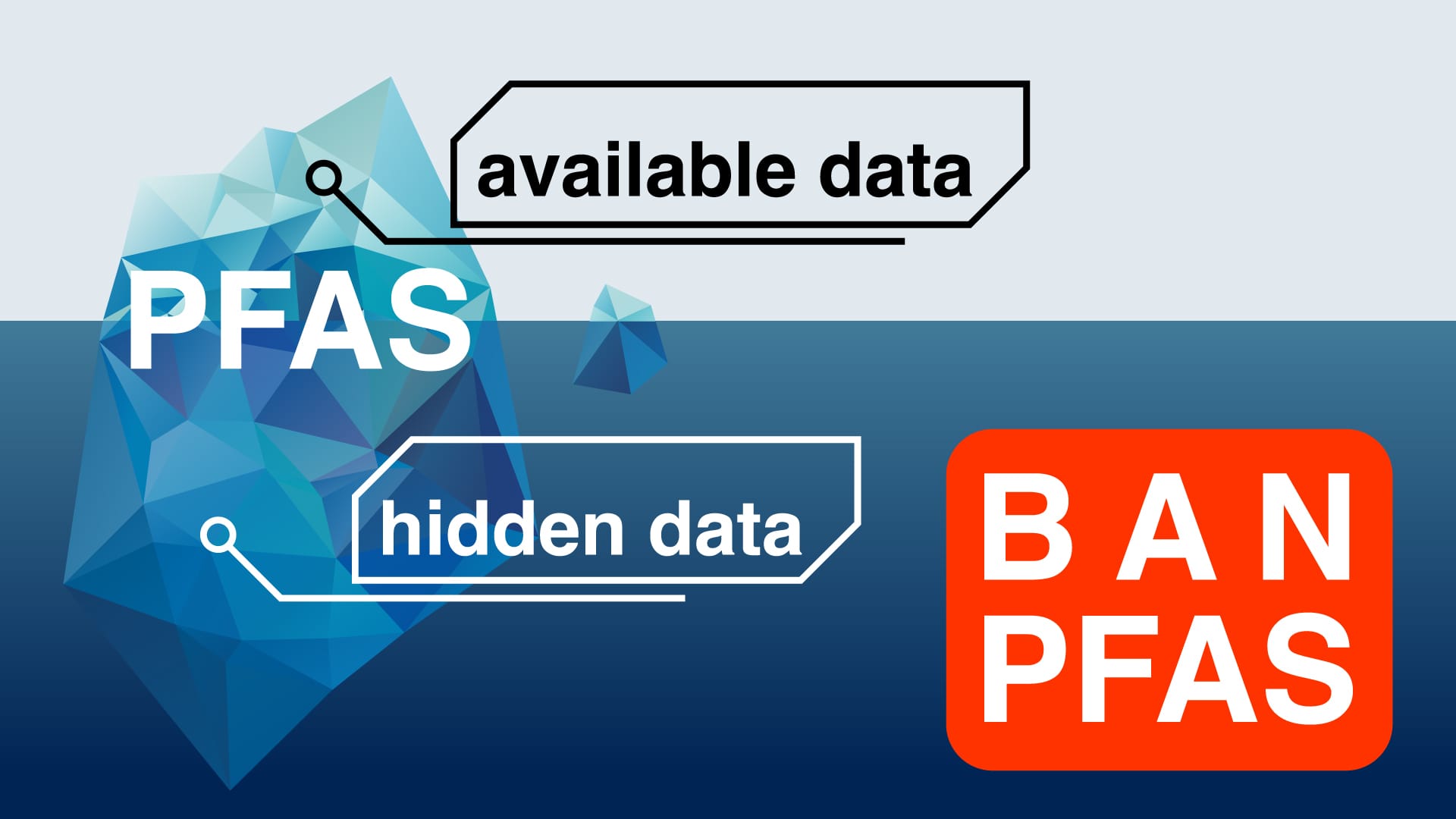
PFAS contamination isn’t confined to manufacturing hotspots. It leaches into groundwater, rivers, oceans, soils, crops, and livestock. It bioaccumulates up the food chain. And it’s essentially impossible to remove once released.
The costs are staggering: contaminated water systems, poisoned farmland, polluted wildlife, rising healthcare bills, and untold suffering from cancers, miscarriages, and immune dysfunctions. By the time regulators catch up, the damage is already deeply entrenched in ecosystems and within our bodies.
This is why waiting for more “definitive” science before acting is reckless. The science we already have is damning. The longer we delay, the deeper the chemical footprint.
What needs to happen now
There are three urgent fronts for action:
- Limiter l'exposition: Avoid non-stick cookware and baking papers, stain-resistant fabrics (increasingly used in children’s clothing), fast-food packaging, and personal care products containing PFAS where possible. Demand transparent labelling. Pressure brands to go PFAS-free.
- Push for blanket bans: It’s up to us to pressure governments to regulate PFAS as a class. Partial bans are a dangerous distraction. Europe is currently showing what leadership looks like. Now other countries must follow.
- Corporate accountability: Support companies that are voluntarily phasing out PFAS. Boycott those that refuse. The ChemSec “PFAS Movement” in Europe is a model that highlights businesses uniting to abandon forever chemicals before the law forces them to.
Alongside these, research into safe detoxification pathways and environmental remediation must accelerate. Removing PFAS from contaminated soils and water is a herculean challenge, but solutions are emerging. Communities must demand investment in these technologies.
A call to consciousness
PFAS are a mirror held up to our industrial age: chemicals designed for convenience but carrying hidden costs to health and nature. Their persistence is a metaphor for our collective failure to foresee consequences before unleashing technologies into the world.
We cannot allow another generation to carry this toxic legacy in their blood, their tissues and their brains. Nor can we leave it to regulators who have repeatedly failed to protect us from chemical deception.
The choice is stark: either we dismantle the PFAS empire now, or we accept a future where our bodies and those of generations to come, soils, plants, animals, insects, microbes and waters are permanently laced with these indestructible poisons.
The science is clear. The industry’s deceit is documented. The solutions are available.
It is time for a global, class-wide ban on PFAS – before ‘forever’ becomes our fate.
Lire la suite
>>> PFAS : la catastrophe chimique en cours
>>> Une étude de l'ANH-USA révèle la présence de "produits chimiques à vie" dans le chou frisé
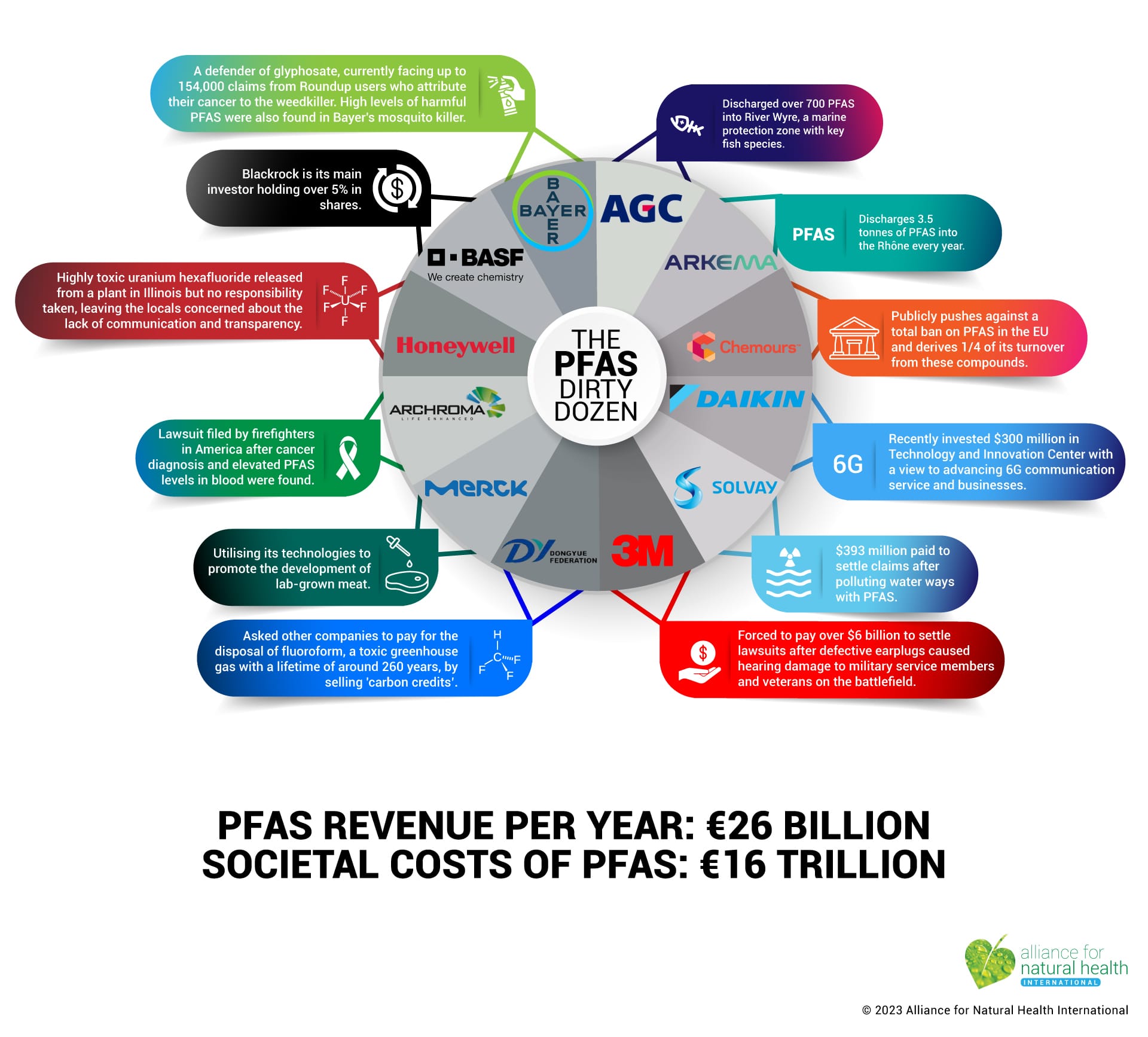
>>> La "douzaine sale" de PFAS révélée au grand jour
>>> L'interdiction potentielle des PFAS par l'UE mise en veilleuse ?
>>> Si vous n'êtes pas encore abonné à la lettre d'information hebdomadaire d'ANH International, inscrivez-vous gratuitement en cliquant sur le bouton S'ABONNER en haut de la page. notre site web - ou mieux encore - devenez membre de Pathfinder et rejoignez la tribu ANH-Intl pour bénéficier d'avantages uniques à nos membres.
>> N'hésitez pas à republier ce document - il suffit de suivre les instructions de l'Alliance for Natural Health International. Lignes directrices pour la réédition
>>> Retour vers la page d'accueil d'ANH International
