
Date:23 October 2025
By Chimnonso Onyekwelu and Melissa Smith
Polycystic ovary syndrome (PCOS) is far more common than most people realise. Affecting women of reproductive age—typically between 15 and 44—it stands as one of the most widespread endocrine disorders worldwide. In the UK, an estimated one in ten women live with PCOS, while in the United States, the figure ranges from 6–12%. Yet, according to the World Health Organization, these numbers may only scratch the surface. Over 70% of women globally who have PCOS are thought to remain undiagnosed, left to live with symptoms that are often misunderstood or overlooked, largely because of the diversity of symptoms (heterogeneity) experienced.
Part of what makes PCOS so elusive is its symptom diversity. No two cases look quite the same. For some women, it begins with irregular periods, persistent acne, or the presence of multiple small follicles on the ovaries. For others, it manifests as deeper reproductive and metabolic challenges—such as elevated androgen levels, infertility, hypertension, obesity, cardiovascular disease, or type 2 diabetes. Beyond the physical toll, PCOS often brings psychological struggles too, including anxiety, depression, and eating disorders because the effect of disturbed oestrogen on a woman’s emotions is still not well acknowledged. Together, these symptoms weave a complex web that can touch nearly every facet of health and wellbeing.
While research (here and here) has long explored how PCOS disrupts hormonal and reproductive balance, its underlying drivers are still coming into focus. One of the most important, and often underestimated, is metabolic dysfunction. Understanding this metabolic dimension is key, as it sits at the very core of how PCOS develops, persists, and impacts the body.
In this article, we’ll delve into the dynamic interplay between metabolism and hormones in PCOS—how they fuel each other in a self-reinforcing cycle—and explore what this means for women navigating life with the condition. We’ll also look at emerging management strategies and holistic care models that bring together endocrinology, nutrition, and lifestyle interventions to support better outcomes and wellbeing.
Understanding PCOS: origins and early observations
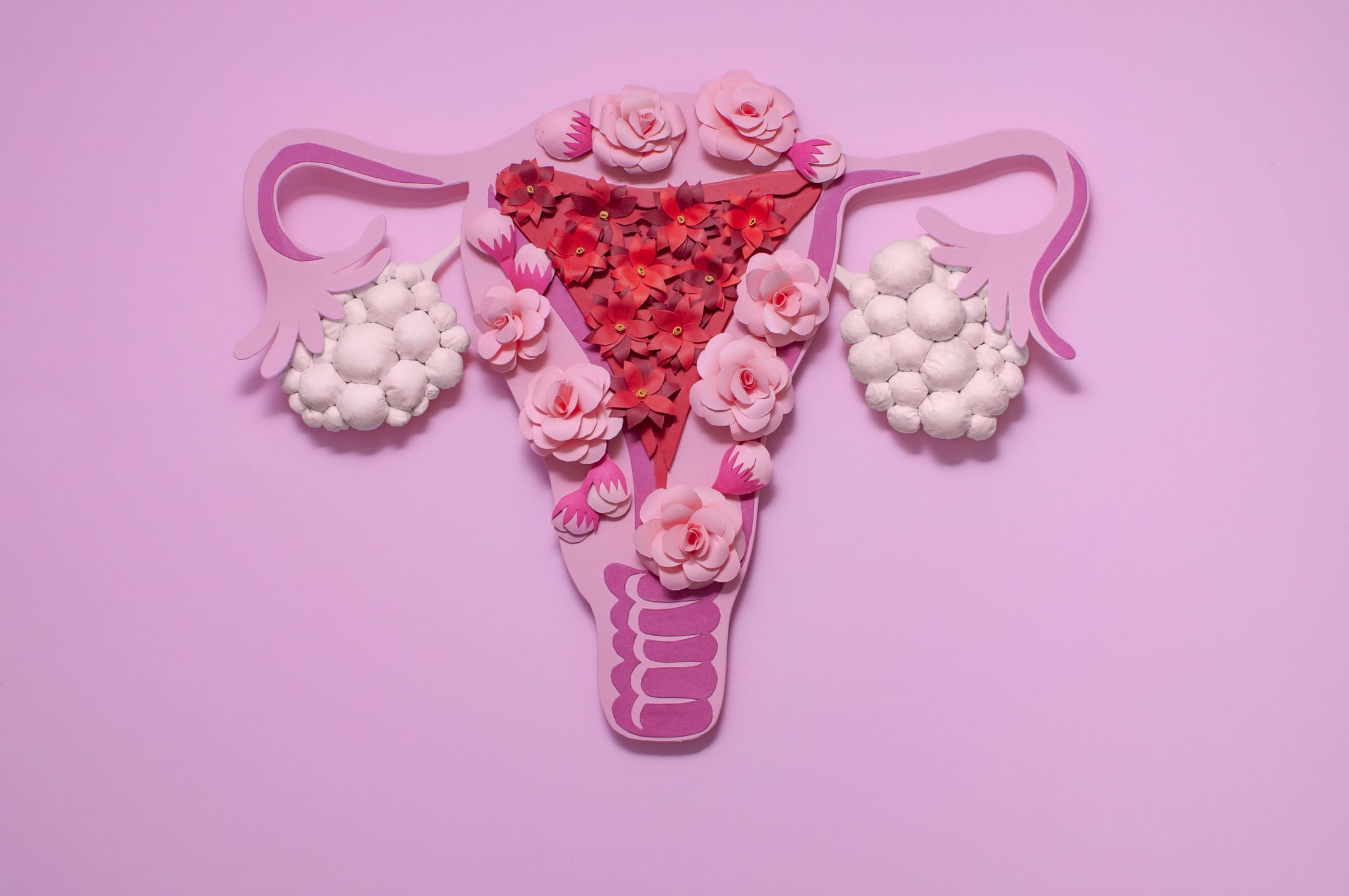
PCOS is a hormonal condition that occurs when the ovaries produce higher-than-normal levels of androgens, often disrupting the balance of reproductive hormones. This imbalance can interfere with ovulation and cause a range of symptoms. Unlike many other conditions, PCOS was not identified at a single moment in history but rather gradually recognised through centuries of observation.
As early as 1721, Italian scientist Antonio Vallisneri described “shiny ovaries” in an infertile woman—what we would now recognise as polycystic ovaries. Later, in 1844, Dr Achille Chereau reported enlarged ovaries containing multiple small cysts. It was not until 1935, however, that Drs Irving Stein and Michael Leventhal formally documented a pattern of symptoms—menstrual irregularities, infertility, excess hair growth, and enlarged ovaries with many follicles. This cluster became known for decades as “Stein-Leventhal syndrome”.
Over time, the understanding of PCOS expanded beyond ovarian cysts to its wider hormonal and metabolic dimensions, with four common types identified (phenotype A-D): Insulin-resistant; inflammatory; adrenal; and post-pill PCOS. Today, the term polycystic ovary syndrome is widely accepted, though there is ongoing debate (see here and here) about whether a new name might better capture the complexity of this condition.
Metabolic dysfunction as the driving force behind PCOS
Studies (here, here and here) show that PCOS doesn’t have a single cause but arises from a combination of genetic, environmental, lifestyle, and socioeconomic factors. These elements can all shape how the condition presents itself in women. However, while these influences are important, many of them appear to act more as secondary drivers. At the very core of the disorder lies a deeper and more persistent factor: metabolic dysfunction. For most women with PCOS, it is this underlying disruption in metabolism that dictates both the severity and progression of the condition.
The most common and critical metabolic feature of PCOS is insulin resistance. Research (here, here and here) found insulin resistance and hyperinsulinemia to be present in 65% – 95% of women with the condition, regardless of whether they are overweight or lean. In simple terms, insulin resistance means the body’s cells do not respond properly to insulin, the hormone that helps regulate blood sugar. To compensate, the pancreas revs up production of insulin creating a state known as hyperinsulinemia (high insulin). This excess insulin, far from being harmless, has ripple effects throughout the body and is strongly linked to the cascade of hormonal and reproductive symptoms seen in PCOS.
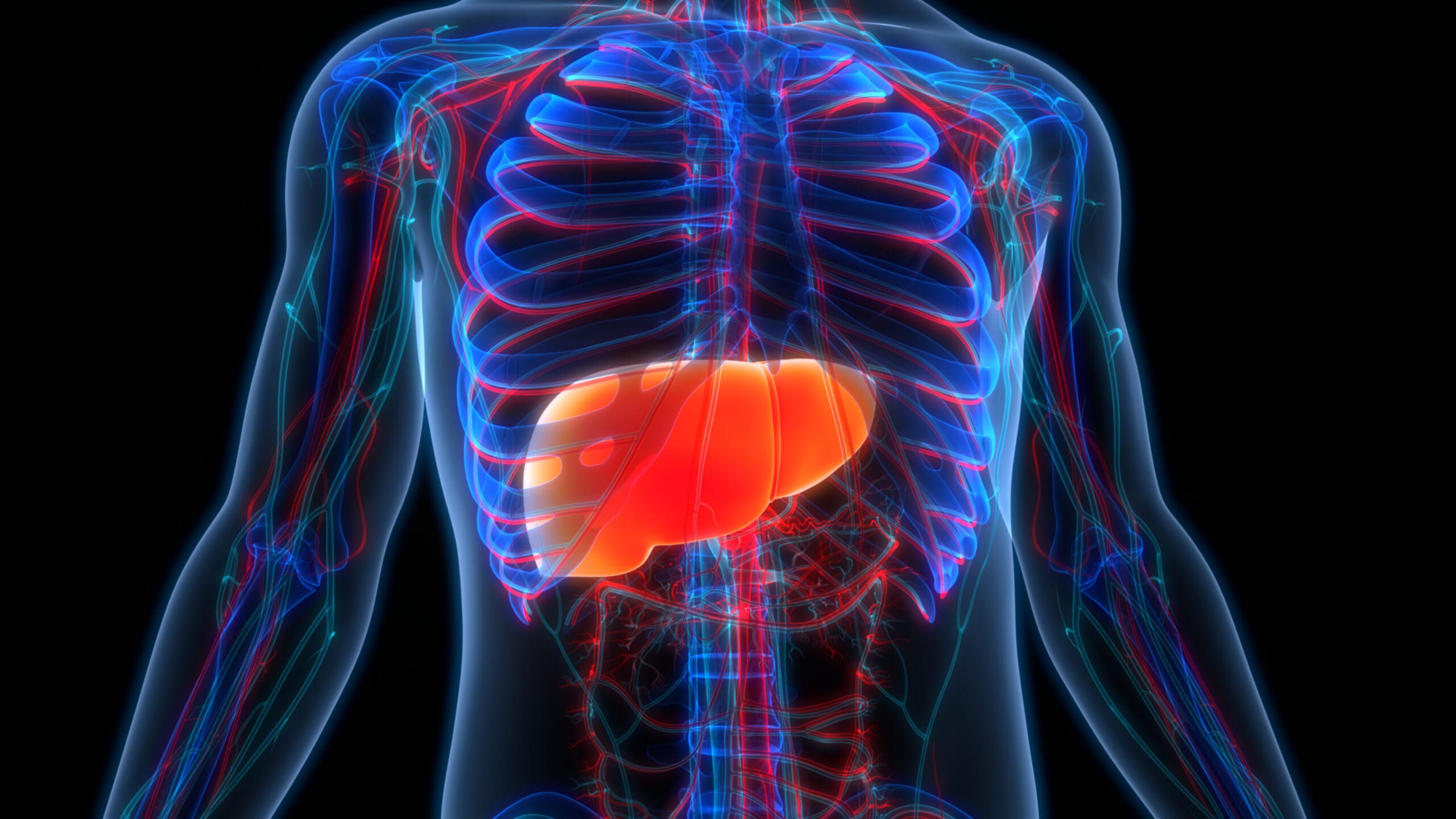
Beyond insulin resistance, several other metabolic dysfunctions are central to PCOS. Obesity, particularly abdominal weight gain, is one of the most common features and plays a significant role in worsening metabolic health. Low levels of sex hormone-binding globulin (SHBG), a protein that’s made in the liver, reflect another disruption and reduce the body’s ability to regulate circulating hormones. It’s important to understand that SHBG is a key metabolic red flag. Its production is shut down when insulin is high, protein levels are low, there is a poor diet with insufficient fibre and lack of activity.
Elevated luteinising hormone (LH) also signals a disturbance in normal metabolic-endocrine regulation, while chronic stress and systemic inflammation add further layers of dysfunction. Emerging research (here, here and here) also points to the gut microbiota imbalance as an increasing contributor to PCOS. These metabolic disturbances together, or individually, form the foundation upon which the hormonal imbalances of PCOS develop.
PCOS and hormonal imbalance: a complex web
The symptoms of PCOS do not emerge on their own. They are anchored in the metabolic dysfunctions discussed earlier. When insulin resistance, obesity, inflammation, and/or low SHBG disrupt the body’s balance, they set off a cascade of hormonal disturbances, like irregular or absent periods, heavy menstrual bleeding, persistent acne, hair loss, and excess facial or body hair (hirsutism). Other symptoms include ovarian cysts, thinning scalp hair, acanthosis nigricans (dark pigmentation patches on the skin), skin tags, and infertility.
Crucially, PCOS persists because metabolism and hormones are locked in a self-reinforcing cycle. For instance, in insulin-resistant PCOS, the most common form affecting around 70% of women with the condition, insulin resistance prompts excess insulin production, which in turn increases androgen levels. These excess androgens, because they are male hormones that should be present in women in very small amounts, trigger symptoms like hirsutism, acne, and irregular periods, while also worsening insulin resistance through inflammation, weight gain, further SHBG suppression, and lipid disturbances. The result is a self-perpetuating loop that explains both the persistence of PCOS and its wider health risks, including type 2 diabetes and cardiovascular disease.
These patterns show that metabolic dysfunction is not a secondary accompaniment to PCOS but the central driver of its pathology. Insulin resistance and compensatory hyperinsulinemia ignite a chain reaction that disrupts ovarian function, heightens androgen production, and derails normal hormonal regulation. In this sense, metabolism provides the foundation on which the reproductive and hormonal abnormalities of PCOS are built. Understanding this sequence shifts the perspective on PCOS management, from chasing surface-level symptoms to addressing the metabolic imbalances that sustain the disorder.
Rethinking PCOS management: an integrative and individualised approach
For too long, the standard response to a PCOS diagnosis has been to prescribe contraceptives or other symptom-suppressing medications, with little effort made to uncover why the condition has developed in the first place. As shown above, PCOS is heterogeneous (very diverse in symptoms): one woman’s symptoms may be driven primarily by insulin resistance, another’s by inflammation or obesity, and yet another’s by stress or gut imbalances. Treating these women as though they share the same root cause overlooks the complexity of the condition and risks trapping them in cycles of temporary relief without long-term improvement. Effective management, therefore, demands a shift away from one-size-fits-all prescribing toward truly personalised care that identifies and addresses each woman’s unique metabolic profile.
Holistic models of care demonstrate how this can be achieved. Studies (here and here) reveal that lifestyle modification remains the cornerstone, with even a 5–10% reduction in body weight shown to improve insulin sensitivity, restore ovulation, and increase live birth rates. Structured exercise programs, with at least 150 minutes of moderate activity per week, combined with balanced diets such as the Mediterranean or low carb/low-glycaemic index diet, can yield significant metabolic and reproductive improvements. Beyond lifestyle, nutraceuticals including inositol, vitamin D, curcumin, berberine, and CoQ10 are increasingly recognised for their benefits in treating the condition because of their metabolic effects and ability to regulate insulin. Coupled with nutritional counselling, psychological and emotional support where relevant, and regular monitoring of cardiometabolic health. These integrative strategies target both the metabolic roots and hormonal consequences of PCOS.
The way forward
Breaking the vicious cycle between metabolic dysfunction and hormonal imbalance in PCOS requires more than just pills. Lifestyle interventions that include dietary change, regular exercise, stress reduction, sleep and weight management are key to restoring metabolic stability. When the metabolism is stabilised and liver and gut function prioritised, hormonal equilibrium follows, improving fertility, reducing long-term health risks, and enhancing overall wellbeing. By shifting the focus from symptom suppression to root-cause care, women with PCOS are not only better equipped to manage their condition but also to reclaim lasting balance, vitality, and quality of life.
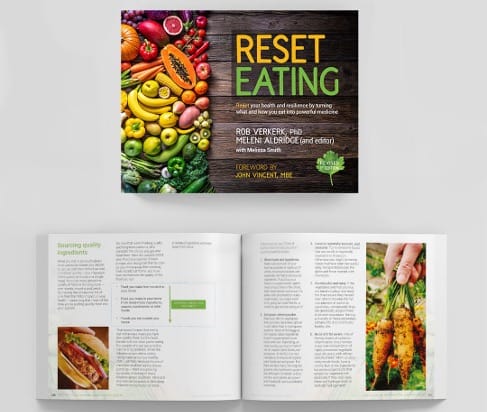
>>> Invest in a copy of Reset Eating – equipped with all you need to help you overcome PCOS naturally
Living with PCOS? Support your body naturally
Living with PCOS can sometimes feel like navigating a maze—but your body has an incredible capacity to restore balance when given the right support. Focusing on the key systems that influence hormonal and metabolic health can make a real difference in how you feel day to day.
Nourish your adrenals and manage stress
Chronic stress can amplify PCOS symptoms by disrupting cortisol and other hormone levels. Prioritise rest, relaxation, sleep and balance in your daily routine. Support your adrenals by:
- Choosing whole, unprocessed foods that stabilise energy levels
- Avoiding stimulants like caffeine and refined sugar
- Building in stress-relieving practices such as mindfulness, gentle yoga, nature walks, or breathwork
- Prioritise 7–8 hours of quality sleep each night.
Balance blood sugar and insulin function
Blood sugar balance sits at the heart of PCOS management. Supporting insulin sensitivity and liver health can reduce inflammation and hormonal disruption, stabilise blood sugar and support more consistent energy levels:
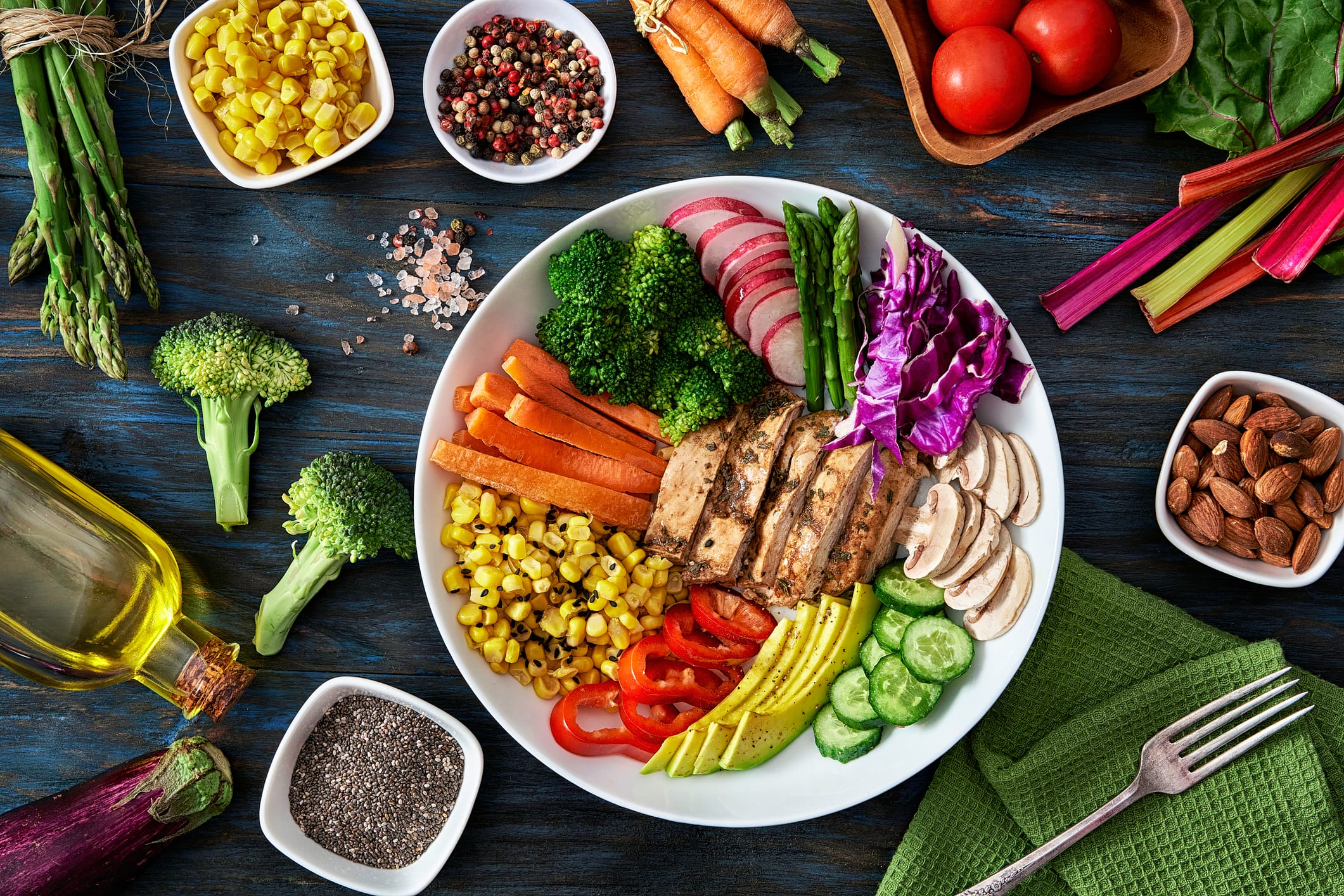
- Build meals around high-quality protein and low-starch vegetables
- Include healthy fats (olive oil, nuts, avocado) to promote satiety
- Minimise gluten-containing grains and anything with added sugars and/or sweeteners
- Eat a rainbow of plant foods daily for phytonutrients and antioxidants.
Reset your metabolism
Fasting is not a fad; it’s the metabolic reset button nature built into our biology. In a fasted state, insulin drops, fat cells release stored fatty acids, which the liver can then turn into ketones for fuel. The body no longer panics for its next carbohydrate fix—it’s happily burning its own stored fuel, which also reduces body fat. A gentle starting point:
- Stop snacking between meals to create 4–5 hour fasting windows
- Progress to a 16:8 pattern (16 hours fasting, 8 hours eating), perhaps by skipping breakfast and having your first meal at noon and finishing your last by 8 pm
- Combine fasted periods with light resistance or aerobic exercise to further encourage fat mobilisation
- Over time, fasting not only reduces food noise but also improves insulin sensitivity, balances hunger hormones, and restores the brain’s natural appetite control.
Support detoxification and SHBG
Your liver plays a vital role in processing hormones and toxins. Keep it functioning optimally by:
- Eating plenty of dark green leafy vegetables
- Including good-quality protein, nuts, and eggs
- Eating only healthy fats – no margarine or refined seed oils
- Avoid alcohol and processed and ultra-processed foods
- Ensuring sufficient hydration and movement to promote circulation and elimination
Nurture your gut microbiome
A healthy gut supports hormone balance, detoxification, and mood. Encourage microbial diversity by:
- Enjoying fermented foods such as sauerkraut, kombucha, and live yoghurt (dairy or non-dairy)
- Limiting fruit to no more than two portions daily eaten with a meal
- Avoiding refined sugars and ultra-processed foods that disrupt gut balance.
Move, strengthen, and shine
Weight-bearing exercise—such as walking, resistance training, or yoga—supports metabolic health, bone strength, and mood.
PCOS isn’t just about managing symptoms—it’s about restoring harmony within your body’s intricate systems. With the right nourishment, movement, and self-care, you can rebalance your hormones, stabilise energy, and feel more in the driver’s seat of your own wellbeing.

>>> Si vous n'êtes pas encore abonné à la lettre d'information hebdomadaire d'ANH International, inscrivez-vous gratuitement en cliquant sur le bouton S'ABONNER en haut de la page. notre site web - ou mieux encore - devenez membre de Pathfinder et rejoignez la tribu ANH-Intl pour bénéficier d'avantages uniques à nos membres.
>> N'hésitez pas à republier ce document - il suffit de suivre les instructions de l'Alliance for Natural Health International. Lignes directrices pour la réédition
>>> Retour vers la page d'accueil d'ANH International
