
Alliance for Natural Health Europe (ANH Europe) Consultation Response Summary
Proposed Ashwagandha Ban in the Netherlands
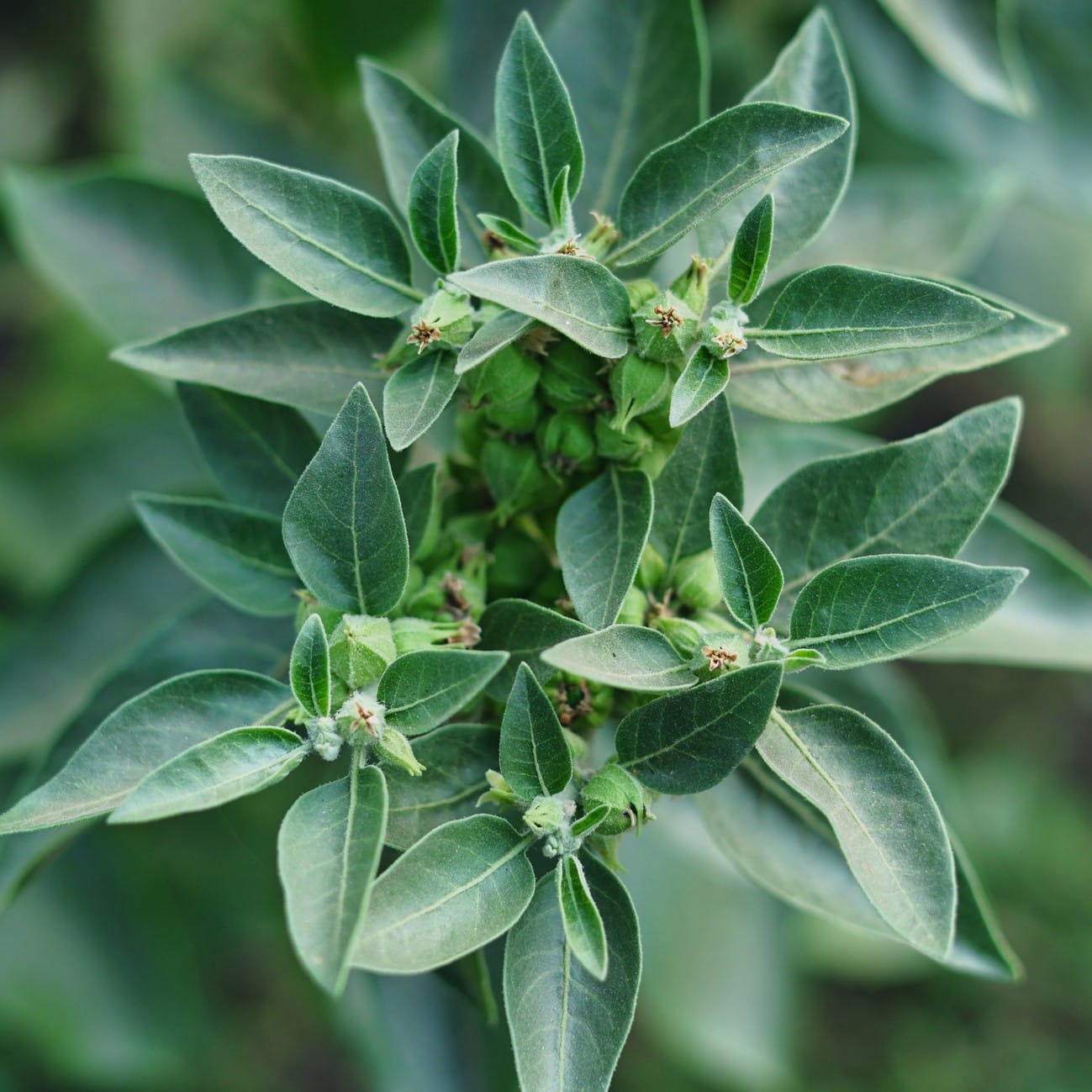
The Alliance for Natural Health Europe (ANH Europe) strongly opposes the Netherlands government’s proposed ban on the Ayurvedic herb ashwagandha (Withania somnifera) that is a very popular adaptogenic herb used primarily to improve resilience to stress. As did 706 other complainers given the number of responses in the consultation procedure. The organisation argues that the ban would be disproportionate, create legal uncertainty for other traditional herbs, and potentially expose Dutch citizens to greater health risks from inferior or adulterated products.
1. Lack of Proportionality and Scientific Basis
ANH Europe highlights that the proposed prohibition is not supported by robust scientific evidence. While there have been isolated reports of ashwagandha-related liver toxicity, the Dutch government has failed to establish causality using standard assessment methods (e.g., RUCAM scale). Furthermore, well-recognised monographs confirm the general safety of ashwagandha when used at recommended doses of up to 6.5g dry root (or equivalent) per day. The ban overlooks this established safety record and misrepresents the herb’s risk profile.
2. Legal Uncertainty and Threat to Other Botanicals
Banning ashwagandha would create a precedent of legal uncertainty for many other traditional herbs with long histories of safe use, such as Rhodiola, Siberian ginseng, and Schisandra. This would undermine consumer access to natural health products and impose unjustified regulatory burdens on the herbal supplement industry.
3. Increased Health Risks from Inferior Products
Prohibiting ashwagandha could drive the market underground, leading to the circulation of inferior or adulterated products, especially via online retailers. Such products, often lacking quality controls, could contain non-root parts or concentrated extracts with altered chemical profiles, increasing the risk of adverse effects. ANH Europe warns that the ban could well lead to consumers being exposed to greater health risks, rather than protecting them.
4. Proposed Proportionate Regulation
Instead of an outright ban, ANH Europe recommends a proportionate risk management approach that includes:
- Daily dose limit of 6.5g dry root (or equivalent).
- Exclusion of non-root parts from food supplements.
- Mandatory warning labels advising against use during pregnancy.
ANH Europe urges the Dutch government to reconsider its ban, adopt a rational, evidence-based approach, and prioritise consumer choice and public health protection.
