

Date:8 May 2025
Treść Sekcje
- ● The rise and clinical role of PPIs in modern medicine
- ● Dangers of long-term PPI use: When treatment becomes harm
- ● Unravelling the causes of PPI overprescription
- ● Where does this leave us?
- ● How do you remedy acid reflux (GERD) naturally?
By Chimnonso Onyekwelu, Melissa Smith and Meleni Aldridge
Over 20% of people in the US and UK are said to be suffering from acid-related disorders such as acid reflux, stomach ulcers, indigestion, heartburn and gastro-oesophageal reflux disease (GORD). In the past, these conditions were managed long-term with antacids to neutralise stomach acid, special diets, H2 blockers, and in serious cases, surgery. The arrival of proton pump inhibitors (PPIs) to actively reduce the amount of stomach acid produced was hailed as a medical breakthrough. Their effectiveness, safety and affordability quickly made them a staple in gastrointestinal care, with drugs like omeprazole becoming household names and ranking among the most prescribed globally (here and here).
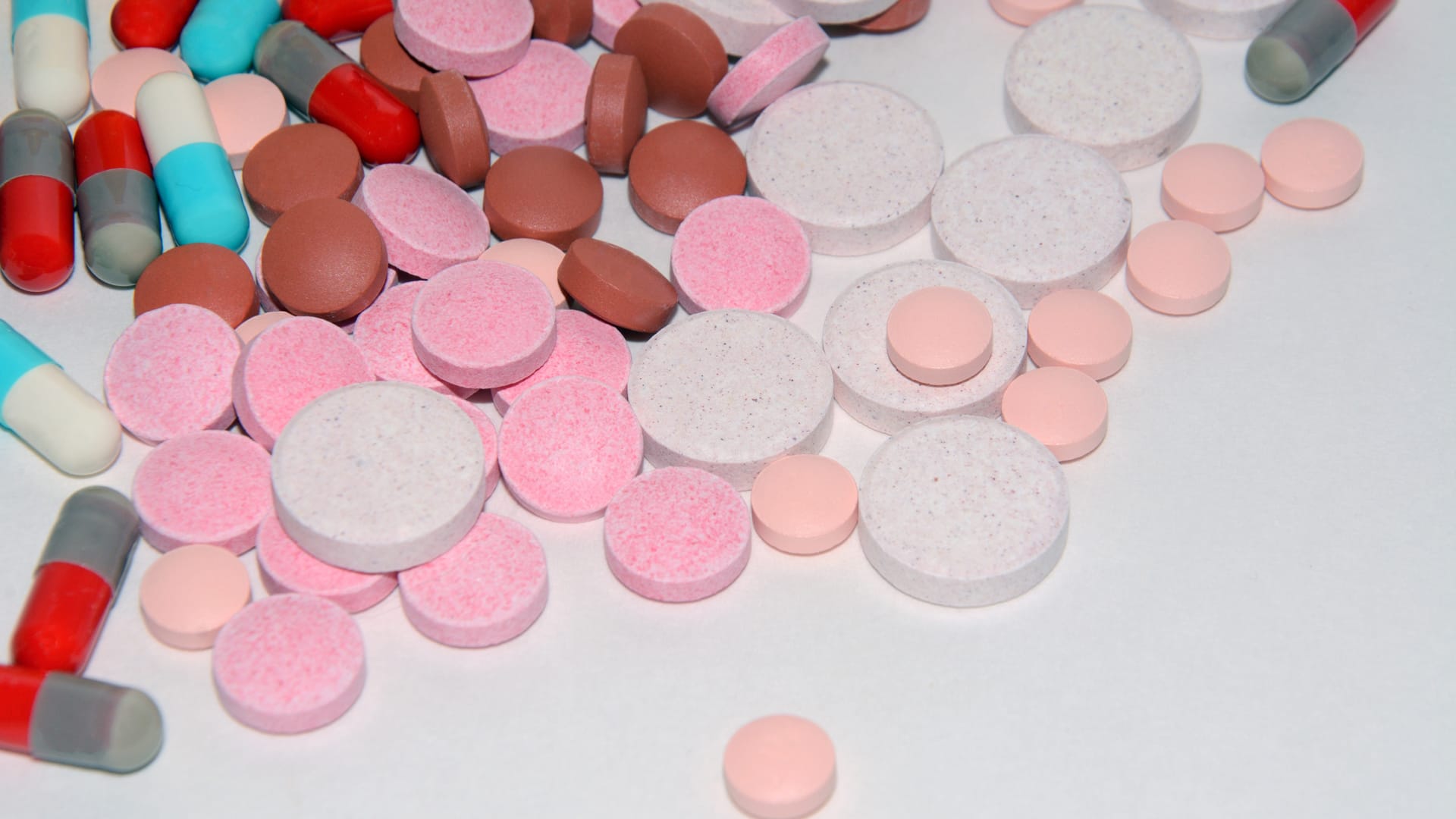
However, what might have been seen as a groundbreaking solution has, in recent decades, escalated into a growing public health crisis. PPIs are too often prescribed for long periods – even when there is no strong medical reason for this extended prescription – and are rarely reviewed or stopped. This has led to a pattern of overuse and dependence among people, drawing comparisons to the opioid crisis. Numerous studies have linked long-term PPI use to serious health risks, including vitamin and nutrient deficiencies, kidney disease, bone fracture, infections, even an increased risk of stomach cancer and worse. An observational 2021 study published in the Klinika Mayo Postępowania found that regular long-term users of PPIs of more than 5 years had over double the risk of cardiovascular disease and heart failure than non-users. Even short-term users (1 day to 3.8 years) had a 20-25% increased risk. More than that, many didn’t even meet the criteria for taking them in the first place. Another study linked PPI use in people with Type 2 diabetes with an increased risk of cardiovascular events and mortality. As if this isn’t serious enough, below we address the particularly worrying adverse effect of increased dementia risk.
Despite these dangers, PPIs continue to be widely prescribed and used, raising important questions about how doctors prescribe them, how much patients understand them, whether other options are being ignored in favour of convenience and the potential financial incentives driving this trend.
The rise and clinical role of PPIs in modern medicine
Before PPIs were developed, antisecretory therapy had already provided several acid lowering medications in the market like famotidine, nizatidine, ranitidine and roxatidine. These drugs worked by blocking a chemical in the stomach called histamine, which helps trigger acid production. However, these H2-receptor antagonists (H2RAs) had several limitations including a short 4–8-hour effect, reduced effectiveness over time as the body built tolerance and inability to control acid secretion after meals due to gastrin (the peptide hormone responsible for gastric acid) release.
Proton pump inhibitors introduced in the 1980s, offered a more powerful and longer-lasting solution than H2RAs. They work by blocking the hydrogen/potassium pump known as the gastric proton pump—the enzyme responsible for acid secretion—thereby reducing the acid that can irritate the oesophagus and stomach. This allows them to suppress both basal and meal-stimulated acids for up to 16-18 hours, reducing the need for multiple doses per day. Studies showed that PPIs were beneficial for short term relief of conditions like reflux oesophagitis and non-erosive reflux disease (NERD) (here and here). They were also found effective in preventing serious complications in people with long-term or high risk of GERD, Barrett’s oesophagus, Zollinger-Ellison syndrome, idiopathic chronic ulcer, and bleeding prevention in selected patients (here and here). With these improved pharmacological properties, PPIs promised fast relief, and the hope of dramatically improving the management of acid-related disorders which could minimise the need for surgery (here and here).
Dangers of long-term PPI use: When treatment becomes harm
Shortly after omeprazole was introduced into the market, leading French gastroenterologist, Jean Paul Galmiche, warned that its remarkable effectiveness would lead both patients and physicians to addiction. Thirty years later, he has been proven right. The very qualities that made PPIs revolutionary soon fuelled their widespread overuse, trapping millions in cycles of unnecessary long-term use.
Due to their potent acid suppression, purported safety profile, low cost and accessibility, physicians use PPIs as the default treatment for both chronic acid related diseases and occasional heartburn. Latterly, PPIs have been increasingly co-prescribed with many medications, NSAIDs being just one example, to ‘protect the stomach’ from their effects. What was intended for a short-term therapy (4-8 weeks) for specific acid-peptic disorders has morphed into indefinite usage for many people, leading to a growing list of documented risks (here and here).
Several studies show that chronic PPI use also disrupts multiple physiological systems. By suppressing stomach acid, which is essential for proper digestion and gut function, as well as a natural defence against pathogens, long-term users face a 74% higher risk of gut infections like clostridium difficile and increased risk of pneumonia (here and here). Likewise, PPIs interfere with the absorption of key nutrients leading to vitamin B12 deficiency, magnesium deficiency (hypomagnesemia) and iron-deficiency anaemia, which are particularly dangerous for elderly patients already taking multiple medications.
Researchers from the German Center for Neurodegenerative Disease studied the use of PPIs in 70,000+ men and women over the age of 75 who had yet to suffer from dementia. Over the course of five years, 29,000 of the test subjects developed Alzheimer’s or another form of dementia. It was concluded that regular use of PPIs increased the risk of dementia by 52% for men and 42% for women. Other studies have also linked prolonged PPI use to a 33% higher risk of dementia after 4.4 years (here and here) and a 50% higher incidence of chronic kidney disease (here and here). Even bone health is compromised, with FDA warnings noting a 25-50% risk of bone fractures due to calcium metabolism disruption.
Sadly, in addition to these extremely adverse effects, studies show that nearly half of all patients on PPIs continue to have symptoms that are not fully relieved.
Unravelling the causes of PPI overprescription
Unlike some other drug overuse problems, the overprescription of PPIs involves more than just physicians given the media spin and PR push by the pharmaceutical industry. Poor gut health is endemic in the developed world due to wrong diets, low dietary diversity and increased consumption of junk, processed and ultra-processed foods. This in turn creates consumer demand to assuage a gut on fire. From the doctors to the people demanding a magic bullet solution, to Big Pharma wanting to cash in, each group plays a role in the unchecked long-term use of a drug originally intended for short-term relief.
For example, over the counter (OTC) PPIs are recommended for occasional heartburn in short 14-day courses, up to three times a year. However, many individuals take them indefinitely for general digestive discomfort, unaware of the risks or how to address the real causes of their digestive woes. Bringing PPI use to an abrupt stop can also trigger a temporary rebound acid production, which makes people think they still need the medication, fuelling ongoing dependence (here and here).
Physicians also contribute significantly. In busy clinics and hospitals, doctors prescribe PPIs by default, especially when the diagnosis is uncertain or when patients demand quick relief. Many prescriptions are written during hospital stays as a preventive measure, then carried on indefinitely after discharge without proper review (here and here), simply because they are considered ‘safe’. Alarmingly, research shows that up to 70% of physician-prescribed PPIs were made without a solid medical reason (here, here and here), and as many as 43% of non-critical patients receive them unnecessarily. Other research reports similar misuse rates of 69.2%, 47% and 69% across different clinical settings.
Drug companies further add to this crisis through their aggressive marketing and incentivised prescribing for doctors (here and here). A 2021 study confirmed a direct link between industry payments to doctors and rising prescription rates, with the payments preceding the increase. This commercial push has inflated healthcare costs and reinforced a cycle of overuse across the system.
Where does this leave us?
Tackling PPI overuse requires a combined effort from healthcare professionals, patients and the pharmaceutical industry. For physicians, deprescribing must become a core clinical strategy. Doctors need better training on when PPIs are truly necessary, the risks of long-term use, and how to safely help patients reduce or stop them. Since suddenly stopping PPIs can lead to a temporary spike in stomach acid (rebound acid), doctors should use proven step-down methods. These include lowering the dose gradually, using the medication only when symptoms arise, or switching to milder alternatives like H2 blockers.
Patient education is just as important. Public campaigns need to be created to help people understand how lifestyle choices – such as poor eating habits, being overweight, smoking, inactivity, or consuming trigger foods like caffeine, alcohol, spicy meals, or eating late at night, contribute to acid reflux. Helping individuals identify their own triggers can lead to better symptom control and reduce the need for medication. Similarly, systemic reforms are needed to reduce the influence of drug companies on prescribing, ensuring transparency in industry-physician relationships. Real solutions lie in smarter prescribing, better training, and empowering patients to manage their health through lifestyle changes.

How do you remedy acid reflux (GERD) naturally?
Nasze ciała zostały zaprojektowane z myślą o spożywaniu pokarmów, ich rozkładaniu, trawieniu i uwalnianiu składników odżywczych. Jest to najbardziej naturalna rzecz na świecie, więc nie bez powodu istnieje wiele naturalnych sposobów na wspomaganie trawienia i utrzymanie optymalnego pH. Tak, jest to trudniejsze we współczesnym świecie z całą naszą nową do natury żywnością, chemikaliami, toksynami i przytłaczającym ładunkiem stresorów, ale nadal jest to możliwe, jeśli wiesz, co należy traktować priorytetowo.
>>>Read our 2023 article for more background: Żołądek w ogniu? Żyją Państwo na IPP lub lekach zobojętniających?
Proszę pamiętać o kilku kluczowych wskazówkach:
- Przede wszystkim, jeśli stosuje Pan/Pani IPP i chciałby/chciałaby je odstawić, proszę nie robić tego samodzielnie. Proszę to zrobić z pomocą odpowiednio przeszkolonego pracownika służby zdrowia i porozmawiać z lekarzem. Odstawienie IPP jest możliwe, ale należy to robić powoli, jednocześnie wprowadzając nowy system wsparcia dla przewodu pokarmowego
- A good nutritional programme is essential – high plant food-based diet, with plenty of vegetables (as per our book, Reset Eating), whilst not ignoring good quality proteins and healthy fats. Starchy, refined, sugary carbs are not your friends and need to be ditched!
- Citrus juice e.g. lemon in hot water, is at least as effective as sodium bicarbonate to treat metabolic acidosis. Start your day with some fresh lemon in hot water. Lemon is a natural source of citric acid, which is an acidic compound. However, once it’s been metabolised through your digestive tract, the citric acid is converted into the alkaline compound, sodium citrate, which has an alkalising effect on your body
- Jeśli przyjmują Państwo leki zobojętniające sok żołądkowy, w przeciwieństwie do IPP, proszę wypróbować łyżkę stołową surowego octu jabłkowego w niewielkiej ilości letniej wody na pół godziny przed jedzeniem, aby zwiększyć wydzielanie kwasu żołądkowego i wspomóc trawienie.
- Zarządzanie stresem jest nie tylko kluczem do wspierania dobrego trawienia, ale ma kluczowe znaczenie:
- Try getting out in Nature on a regular basis and explore some forest bathing
- Get some quality ‘me time’ with some regular mindfulness and a guided meditation journey or two
- Exercise outdoors rather than indoors to lower inflammation and increase stress release – we’re still being powered by our hunter/gatherer genome and indoor gyms just don’t have the same health benefits
- Incorporate activity that focuses on breathwork like yoga or Pilates to build better lung function and a properly functioning diaphragm
- Czy wiedzieli Państwo, że nucenie tonizuje nerw błędny dla lepszego połączenia jelit z mózgiem i sygnalizacji neuronowej? Dlatego od niepamiętnych czasów jogini, święte zakony i grupy spotykają się, aby intonować i śpiewać. Pozwala to nie tylko wejść w głębsze połączenie z samym sobą i Boskością, ale jest również korzystne dla zdrowia. Śpiewanie - samodzielnie lub w grupie - jest wspaniałe dla funkcji płuc, a także radzenia sobie ze stresem
- Proszę traktować sen priorytetowo:
- Sen Państwa drogą do zrewitalizowanego mózgu
- 4 hacki, dzięki którym w pełni wykorzystają Państwo swój czas na poziome
- Sześć roślin, które odmienią Państwa sen
- Visiting a musculo-skeletal/physical/manipulative practitioner e.g. an osteopath, chiropractor, cranial sacral therapist, to ensure that you have proper skeletal and muscle alignment in your chest area and no impingement on the diaphragm
- Uważne jedzenie. Proszę poświęcić czas na gotowanie od podstaw, aby pobudzić soki trawienne, a następnie jeść przy stole i dokładnie przeżuwać każdy kęs, aby delektować się jedzeniem i dać organizmowi czas na wytworzenie dużej ilości kwasów i enzymów w celu prawidłowego trawienia pokarmu
- Istnieje szeroka gama ziół, enzymów i innych suplementów wspomagających prawidłowe funkcjonowanie układu trawiennego. Zawsze najlepiej jest skonsultować się z dietetykiem, który może doradzić najlepsze wsparcie dla Państwa konkretnych potrzeb, a także przeprowadzić testy funkcjonalne w celu zindywidualizowania protokołu.
- Oto kilka bezpiecznych (proszę stosować zgodnie z zaleceniami na opakowaniu) i łatwo dostępnych suplementów diety wspomagających produkcję kwasu żołądkowego i dobre trawienie:
- Digestive bitters - zbiór gorzkich ziół stosowanych od setek lat w celu stymulowania dobrego trawienia, a w szczególności produkcji enzymów trawiennych.
- Enzymy trawienne - dodatkowe wsparcie dla własnych enzymów w kapsułce
- Betaine hydrochloride (HCl) – this is naturally derived from beets and helps to breakdown food in the stomach like your own stomach acid. Start at the lowest dose and work up if you need additional support. Often labelled to take it at the start of a meal, Meleni was given a tip a number of years ago by Dr Bob Marshall of Premier Research labs (now deceased) to take it just after you’ve finished a meal and it’s been so effective that she’s followed his advice since. See what works best for you, as per the label or just after, it’s a great supplement to support good digestion at the start of the digestive tract
- Cynk - upewnienie się, że mają Państwo odpowiedni poziom cynku jest nie tylko dobre dla układu odpornościowego, ale także jest niezbędnym kofaktorem w produkcji kwasu żołądkowego.
- A teaspoon of good quality honey in warm water or chamomile tea can be helpful for heartburn as it coats the oesophagus. It’s widely used in Ayurveda for oesophagitis because it’s so anti-inflammatory
- Wreszcie, proszę używać jak najwięcej świeżych ziół i przypraw w kuchni, aby wspomóc trawienie, np. rozmaryn, koper włoski, imbir, kurkuma, mięta pieprzowa, oregano, bazylia i czosnek. Pomocne jest również picie naparów z imbiru, świeżej kurkumy i ziół między posiłkami. Naturalna apteczka jest po to, by ją odkrywać!
Please share this article widely, especially among friends and relatives in your network who suffer from gastric reflux or have been taking PPI drugs long-term.
>>> Jeśli nie są Państwo jeszcze zapisani do cotygodniowego newslettera ANH International, proszę zapisać się za darmo, korzystając z przycisku SUBSKRYBUJ na górze strony. nasza strona internetowa - lub jeszcze lepiej - zostać członkiem Pathfinder i dołączyć do plemienia ANH-Intl, aby cieszyć się korzyściami unikalnymi dla naszych członków.
>> Prosimy o ponowną publikację - wystarczy śledzić naszą stronę Alliance for Natural Health International. Wytyczne dotyczące ponownej publikacji
>>> Powrót do strony głównej ANH International
